Cheek Augmentation
(Cheek Filler)
Cheek augmentation is a non-surgical treatment designed to enhance the projection and contour of the cheekbones and restore mid-face volume that can reduce with age. Using dermal fillers placed around and above the cheekbones, we can create a more defined cheek shape and support overall facial balance—often with immediate or near-immediate results and minimal downtime.
Benefits of Cheek Augmentation
Restores Age-Related Volume Loss
As we age, subcutaneous fat reduces and bone density can decrease, which may contribute to cheek flattening and a less lifted mid-face appearance. Cheek filler is commonly used to help address these structural changes while keeping results natural-looking.
Enhances Cheekbone Definition
Cheek fillers can add structure and projection to the cheek area for a more sculpted, refreshed look—without surgery.
Softens Nose-to-Mouth Folds
Adding support in the mid-face can visually soften nasolabial (nose-to-mouth) folds by subtly lifting the overlying tissues.
Flexible, Non-Permanent Option
Compared with more invasive procedures, cheek filler is typically non-permanent, which means it can be adjusted over time as your preferences change.
Treatment Details
Strategic Volumisation
Cheek augmentation is most commonly performed with hyaluronic acid (HA) dermal fillers—a gel that mimics a substance naturally found in the body and is widely used to restore volume. Your practitioner will tailor placement and product choice to your anatomy, your profile, and the level of definition you want (from subtle support to more sculpted cheeks).
How it works
Strategic Volumisation
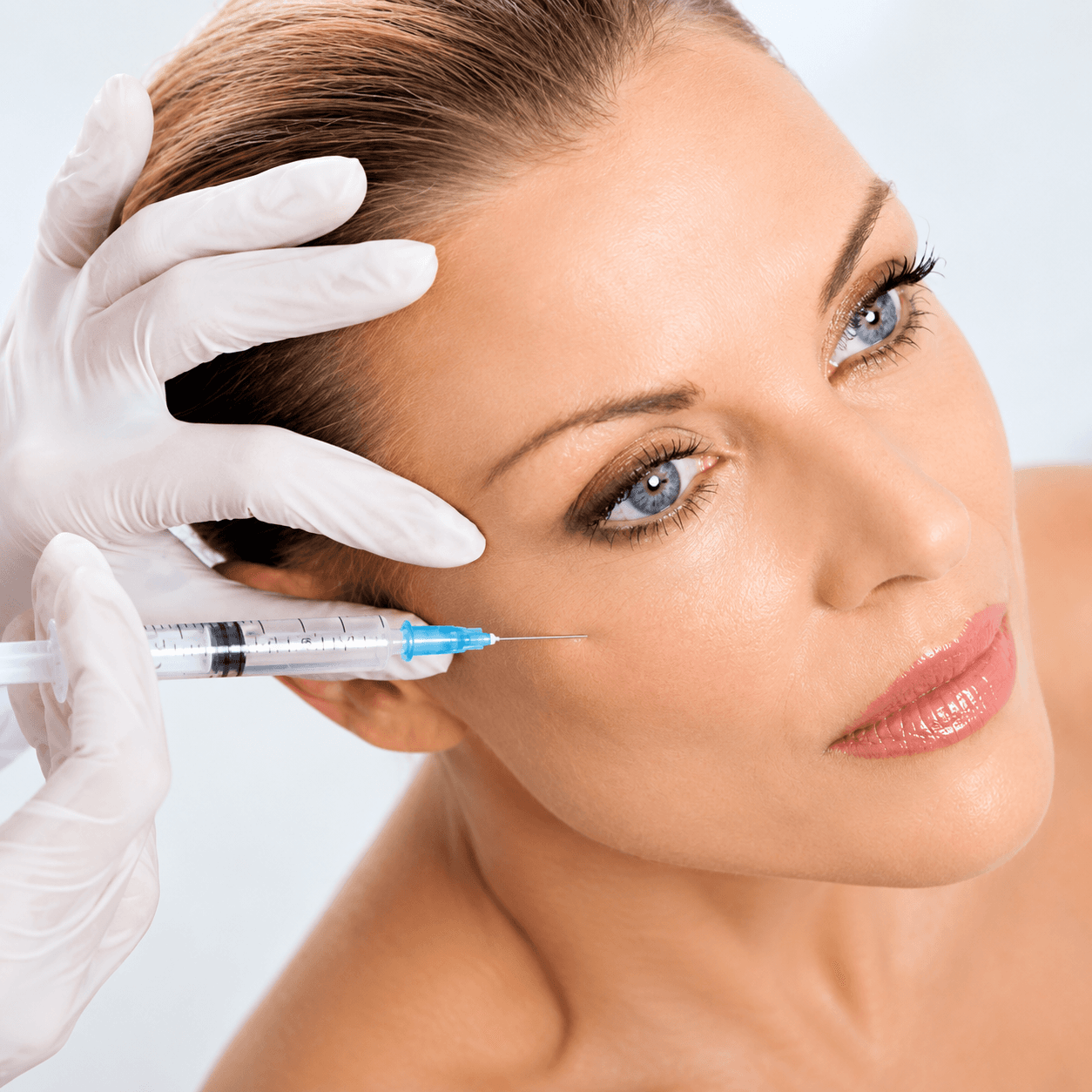
Small amounts of filler are placed above/around the cheekbones to enhance contour and support the mid-face.
Immediate Lift & Shape
Results are often visible straight away, but mild swelling can mean the final look becomes clearer as the area settles (commonly over the following weeks).
Longevity
How long fillers last varies by product and person. General medical guidance often places HA filler longevity around months rather than years, and repeat treatments are commonly needed to maintain results.
Duration
15–30 minutes (longer if combined)
Downtime
Usually little to none (swelling may occur)
Results
Immediate with refinement over weeks
*Consultation required prior to treatment.
Administered by a qualified professional.
Steps of Treatment
Consultation & Facial Assessment
We discuss your goals (lift vs contour vs balancing), review your medical history, and assess your facial proportions so the result suits your structure. Good practice in the UK includes a proper consultation and time to decide.
Mapping & Preparation
The skin is cleansed, and injection points may be marked. Numbing options may be used depending on the product and area.
Precise Filler Placement
A fine needle (or cannula, depending on technique) is used to place small amounts of filler in planned points to build cheek shape safely and gradually.
Review & Aftercare Plan
We check symmetry and balance, then provide clear aftercare and a plan for follow-up if needed (many clinics reassess once swelling has fully settled).
Clinical Protocol
Pre-Care
Qualified Practitioner
UK guidance stresses choosing someone with the right training/insurance and having a proper consultation before committing.
Medical History
Dermal fillers are a medical procedure—your provider should review relevant health conditions and product suitability.
Pregnancy/Breastfeeding
Regulatory safety information notes that safety is unknown during pregnancy and breastfeeding for these products.
Aftercare
Exercise
Wait until the next day to exercise/strenuous activity (commonly advised to reduce swelling/bruising).
Sun & Heat
Stay out of the sun and avoid tanning immediately after treatment.
Touching
Avoid touching the treated area for several days unless you’ve been instructed otherwise.
Early Expectations
Temporary redness, swelling, tenderness, and occasional bruising can happen and often settle within days to a couple of weeks.