CO2 Laser
CO2 laser skin resurfacing uses targeted pulses of laser light to remove the superficial layer of your skin, stimulating newer, tighter skin to grow in its place. This advanced procedure effectively addresses visible signs of aging, scars, and sun damage with long-lasting results.
Benefits of CO2 Laser
Reduces Visible Signs of Aging
CO2 laser resurfacing can significantly lessen the appearance of fine lines and deep wrinkles. It is especially effective on dynamic areas such as crow's feet around the eyes, forehead lines, and laugh lines.
Treats Scars and Pigmentation
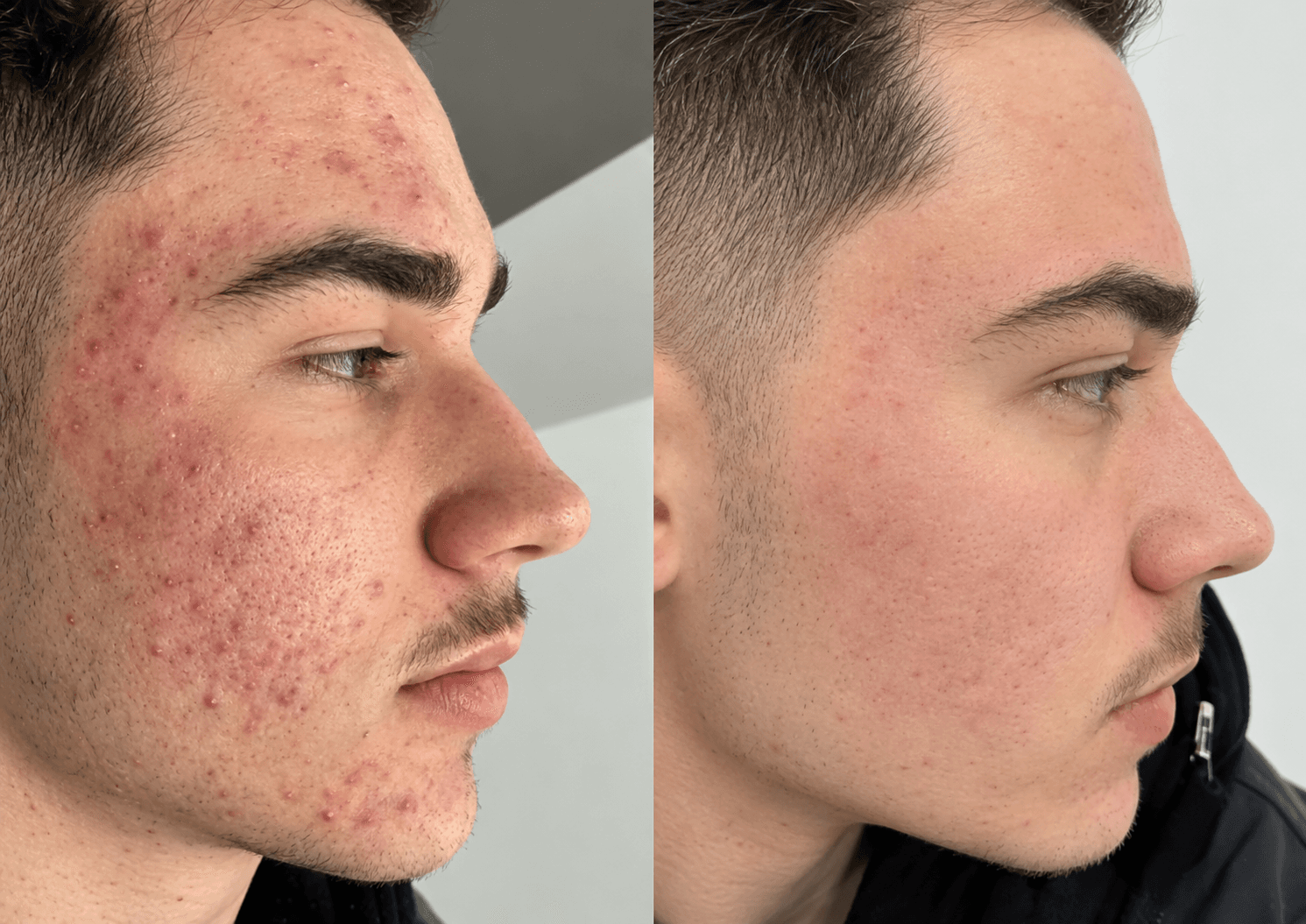
The laser breaks down persistent scar tissue and stimulates new collagen formation to smooth acne scars. It also targets the melanin in the skin to reduce hyperpigmentation, sun spots, and age spots, restoring a more even skin tone.
Treatment Details
Bio-Remodeling & Structural Lift
CO2 laser resurfacing is an advanced and highly effective treatment that offers remarkable skin rejuvenation by precisely removing damaged tissue layers. The laser penetrates the skin's surface to vaporize the epidermis while leaving surrounding tissues structurally intact, which promotes rapid healing and dramatic visible improvements.
How it works:
Ablation
The water in your skin cells absorbs the laser's 10,600-nanometer wavelength light, which instantly vaporizes the damaged superficial layer of the skin.
Collagen Contraction
The heat generated by the micro-injuries causes existing skin collagen to contract and remodel immediately.
Cellular Renewal
As the skin heals over the following weeks, new collagen fibers are stimulated, resulting in smoother, firmer, and more elastic skin.
30 mins to 2 hours
Depending on Area
Up to 2 Weeks
Surface Healing Downtime
*Consultation included.
Please arrive 10 minutes early.
Targeted Restoration
A precision-driven protocol designed to smooth your complexion and remodel your skin's architecture.
Consultation and Assessment
A detailed history and physical examination are obtained to ensure you have no contraindications, such as a history of keloidal scarring or recent isotretinoin therapy.
Preparation and Anesthesia
To maximize comfort, anesthesia is administered, which may include topical creams, nerve blocks, or intravenous sedation. You will also be provided with protective eyewear.
Laser Application
The practitioner holds the laser handpiece perpendicular to the target area, delivering controlled microbeams to remove the damaged outer layers of skin.
Immediate Soothing
Right after the procedure, ice-cold soaks and persistent petrolatum ointment are applied to the face to soothe the skin and lock in moisture.
Clinical Protocol
Maximizing dermal remodeling and safety
Preparation
Avoid Sun Exposure
Patients must avoid direct sun exposure and tanning for at least two weeks prior to the procedure.
Antiviral Prophylaxis
If you have a history of cold sores, you may be required to take an antiviral medication to prevent reactivation of the virus.
Prepare Supplies
Gather necessary post-care items at home, such as a gentle cleanser, plain petrolatum ointment, and cold compresses.
Skin Evaluation
Discuss your Fitzpatrick skin type with your provider, as CO2 lasers are generally safest for lighter skin types (I and II) to avoid dyspigmentation.
Aftercare
Maintain Moisture
The treated area must be kept moist with ointment at all times until the initial crusting and sloughing have fully resolved.
Manage Swelling
Use cool compresses and keep your head elevated on pillows to reduce expected edema (swelling).
Gentle Cleansing
Cleanse the skin very gently; avoid picking at crusts or aggressively scrubbing, which can lead to scarring.
Strict Sun Protection
Once the skin has healed, apply a broad-spectrum sunscreen of at least SPF 30 daily and wear wide-brimmed hats to prevent post-inflammatory hyperpigmentation.